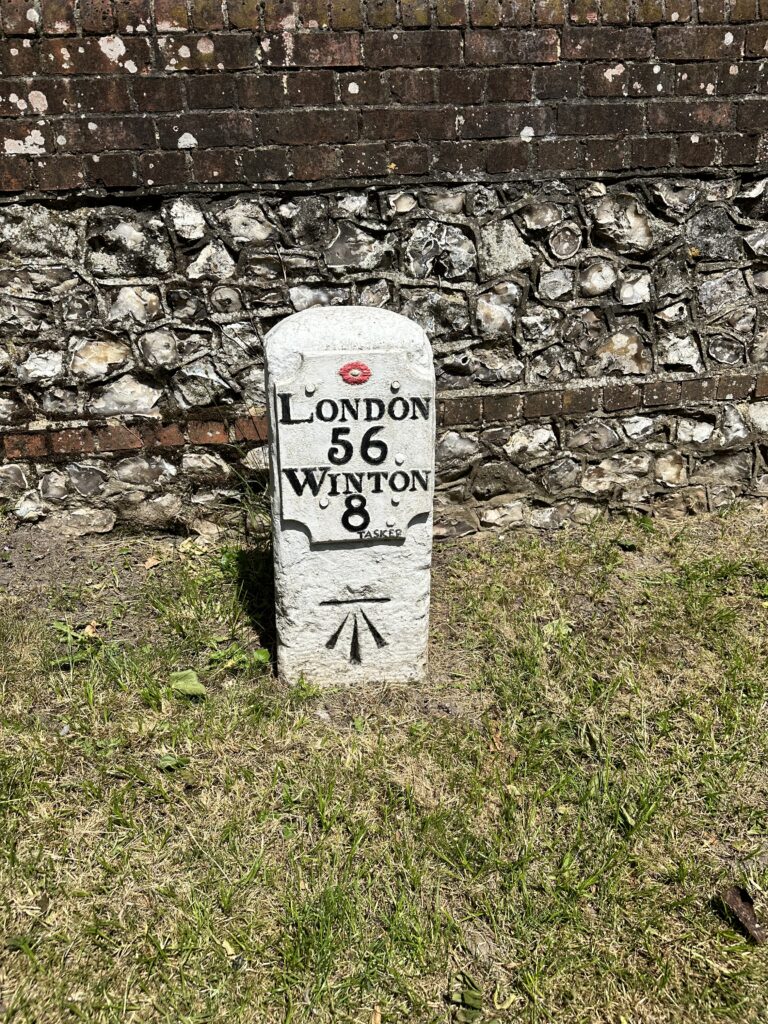
Start: The Cricketers, Alresford. End: Alton. Distance: 12 miles. Difficulty: Easy
A beautiful late May Day and just three of us head out for this second leg (the others wrapping up their end of year exams at uni) – looking at the photos, it feels like a lifetime ago as the Littlest is most definitely little-er than me (just)! Having parked the car in Alresford, the Pilgrims’ Way takes us past The Cricketers pub, past a muddle of old and new homes and a big solar farm before arriving in Bishop’s Sutton where the Norman Church of St Nicholas sits. It’s known for having refreshments for pilgrims as well as a stamp for the Pilgrims’ Passport.
But, for some unknown reason, we miss this church completely; perhaps we were overly zealous in our walking. The church was built by Bishop Henry de Blois in 1150 and where the Archbishop who crowned Queen Victoria – William Howley – was once vicar. We’ll have to return another time – there’s medieval graffiti found throughout the church and it also has one of the best examples of Norman beakheads in the UK. Beakhead ornaments are grotesque heads of birds, beasts, monsters or even human heads, staring down at churchgoers. The beakheads in St Nicholas are birds around heads whose beaks are clutching the moulding on which they’re carved. The reason for their use is still debated but the one that appears most likely is that these frightening creatures represent the world’s sin and vice and however beautiful the world may appear, refuge can only be found in the Church. A good enough reason to return and discover more.
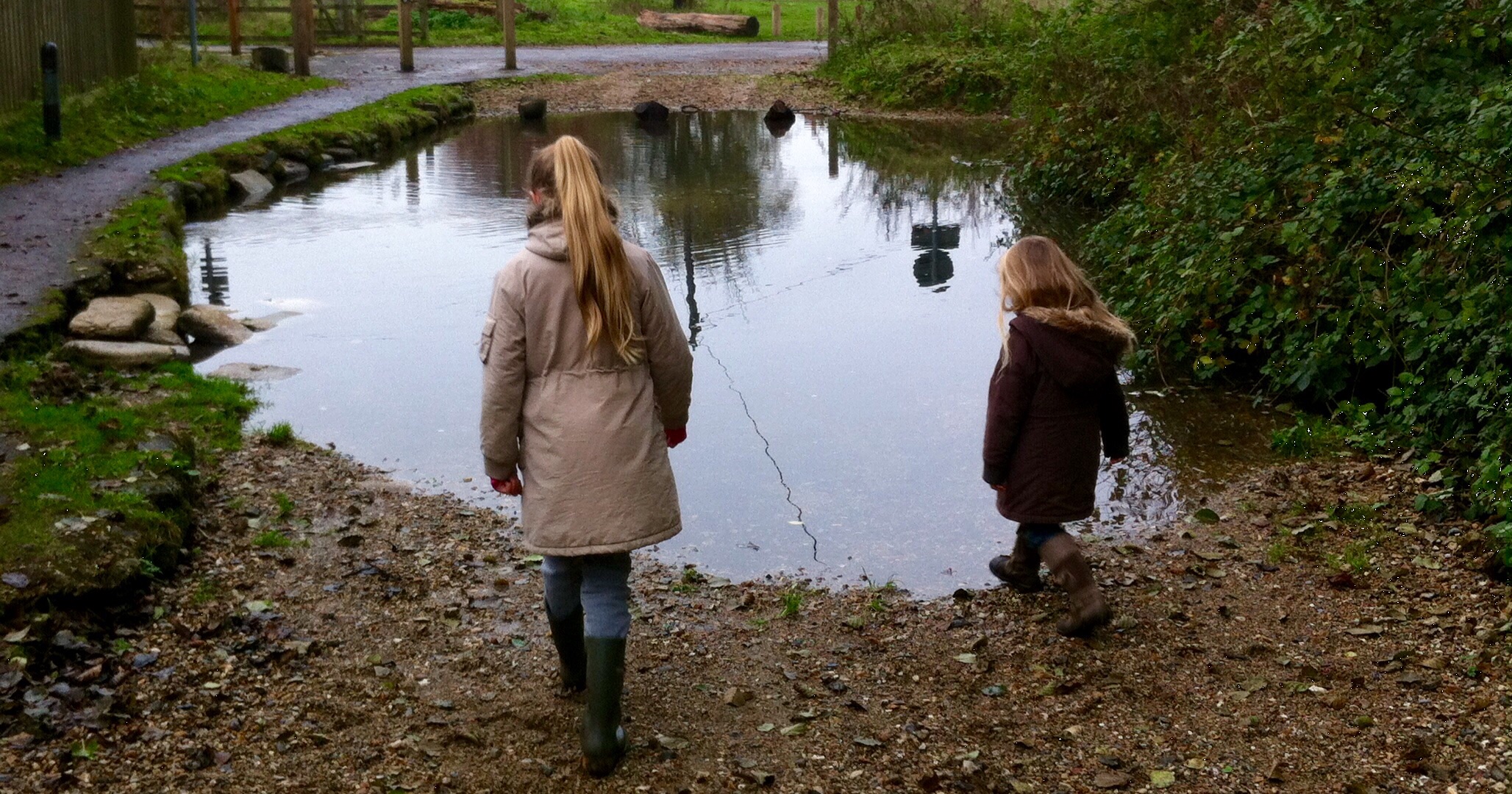
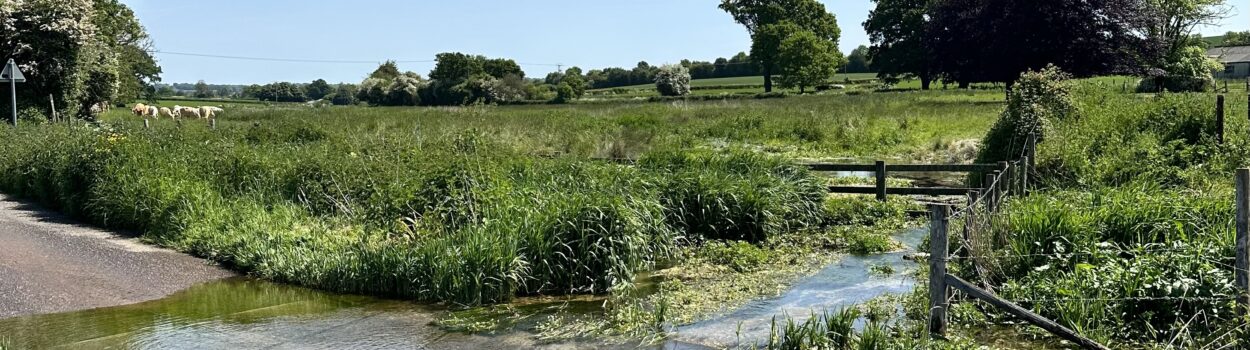
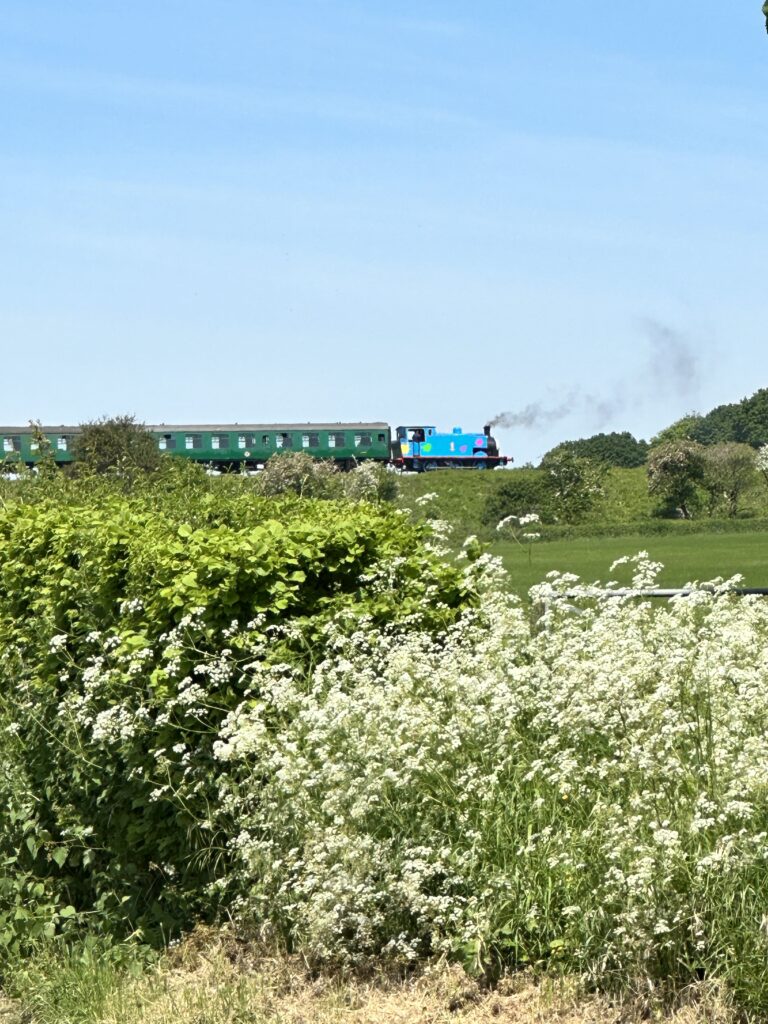
We walk along country roads, across a ford over the River Arle – no one is about and it is glorious countryside. Quintessential Hampshire. As we walk across a field lined with cow parsley, Thomas the Tank Engine’s steam train passes us on The Watercress Line on the ridge above us.
The pretty village of Ropley soon appears, but as it’s a bank holiday, what looks like an excellent village shop and post office, is closed. Fortunately we have our lunch with us and we find a bench just outside St Peter’s Church, one of the most ancient churches in the area with some parts dating back to Norman times with an attractive wooden bell tower added in the 14th Century. In the 1086 Domesday Book Ropley was part of the ‘Hundreds of Bishop’s Sutton’ owned by the Bishop of Winchester. There are stories (unsubstantiated) that the honey used for William the Conqueror’s mead came from Ropley. It was considered a chapel until Ropley became a separate parish from Bishop’s Sutton; in records from around 1270 it was known as the ‘Cappella de Roppele’ meaning the chapel of Ropley in Latin.
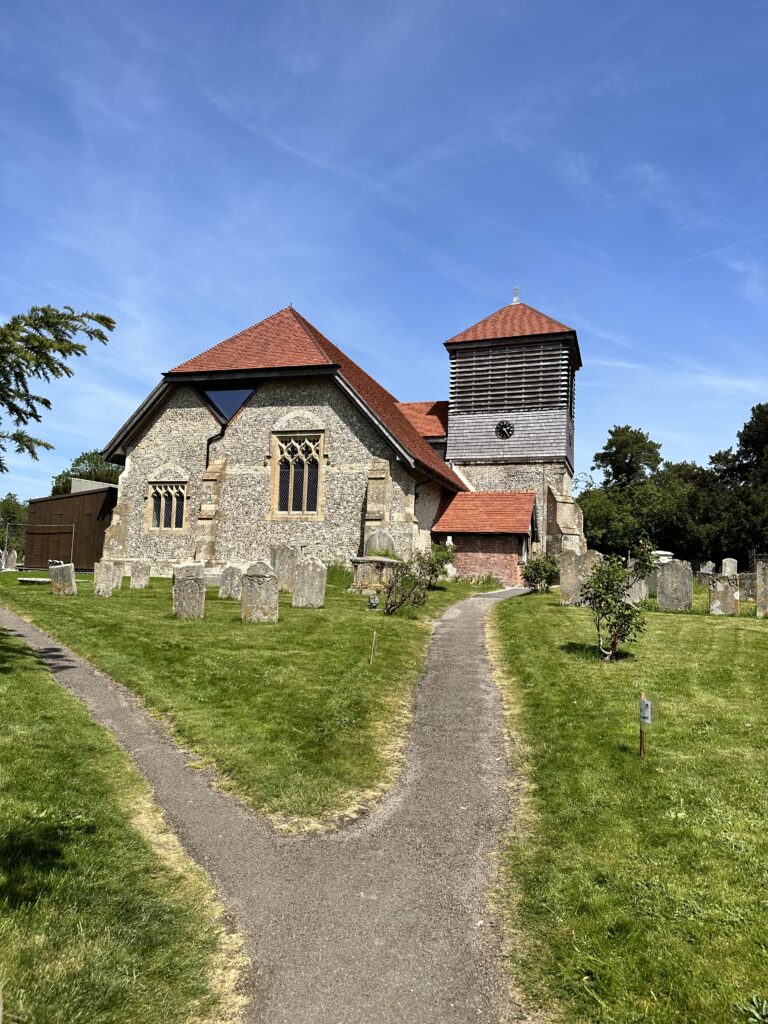
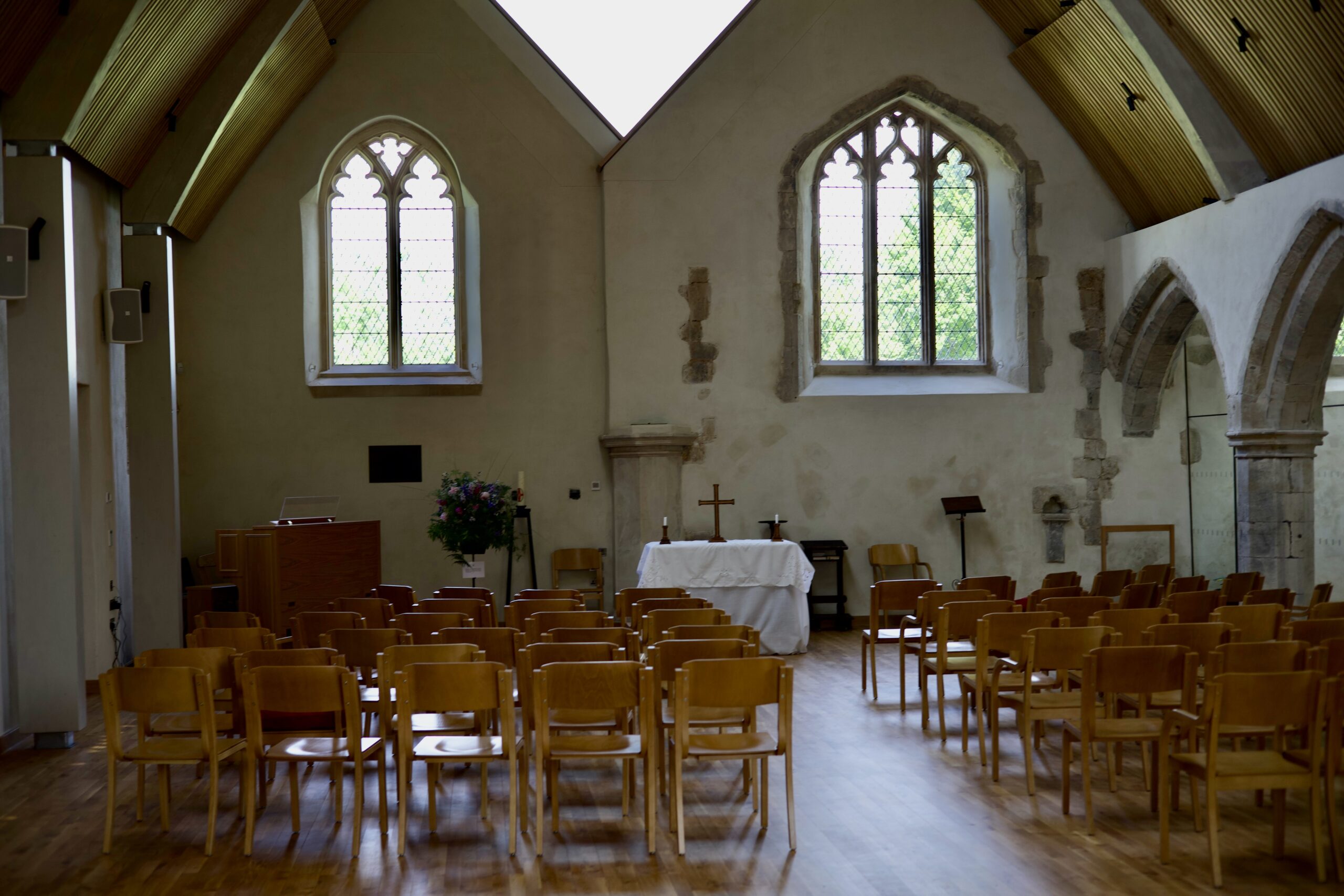
Although it looks bucolic today, in 2014 it was almost totally destroyed by fire. Nothing was left of the interior or the roof, including irreplaceable historic records. In fact the damage was so severe that the cause of the fire was never discovered. Despite this, after impressive community fundraising, the church having been sympathetically rebuilt for the 21st Century, reopened in 2022 , less than a year before we visit in May of 2023. It is a glorious space full of light that is now used as a place of worship as well as for various community activities – a thriving central point for the village. Definitely a phoenix rising from the ashes.
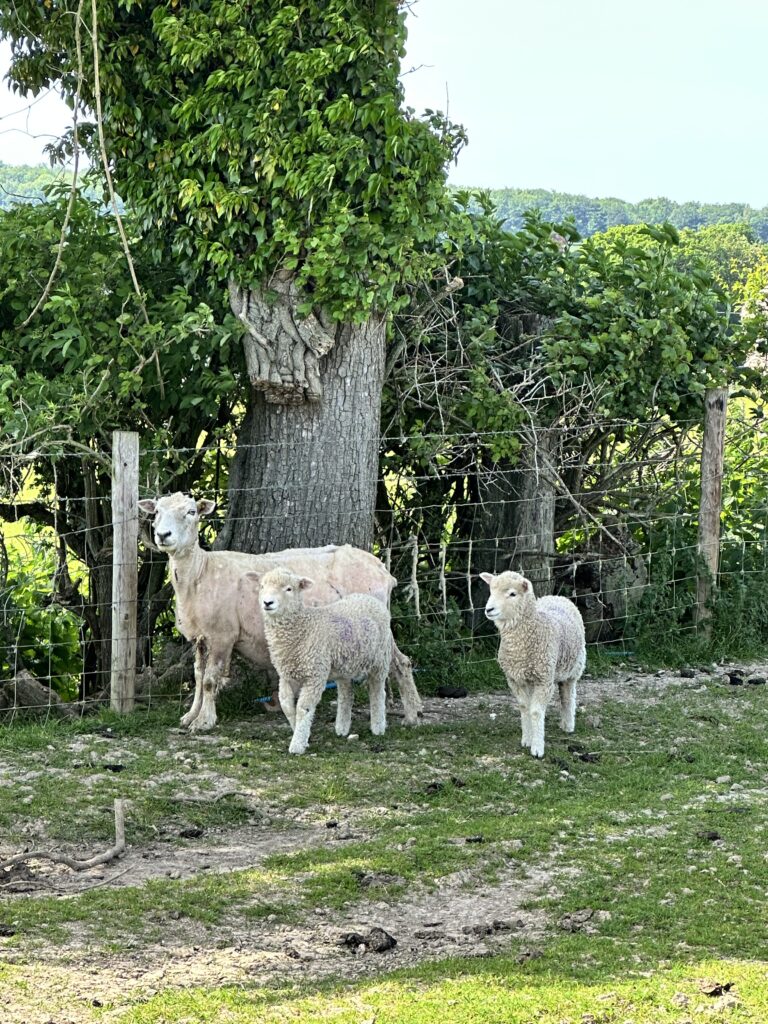
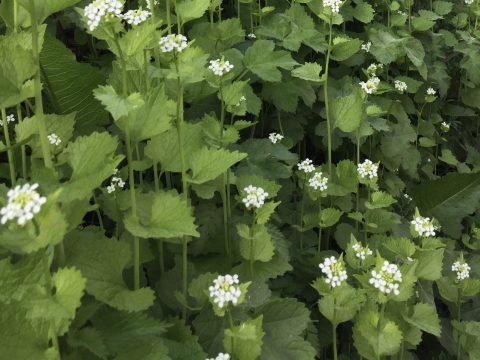
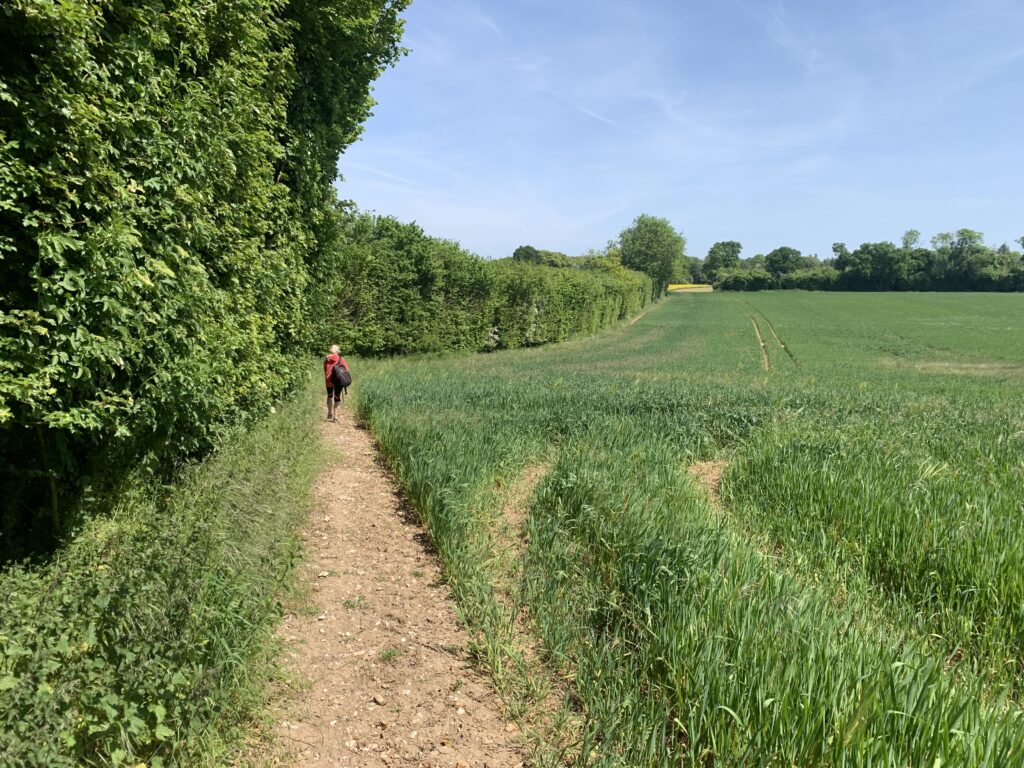
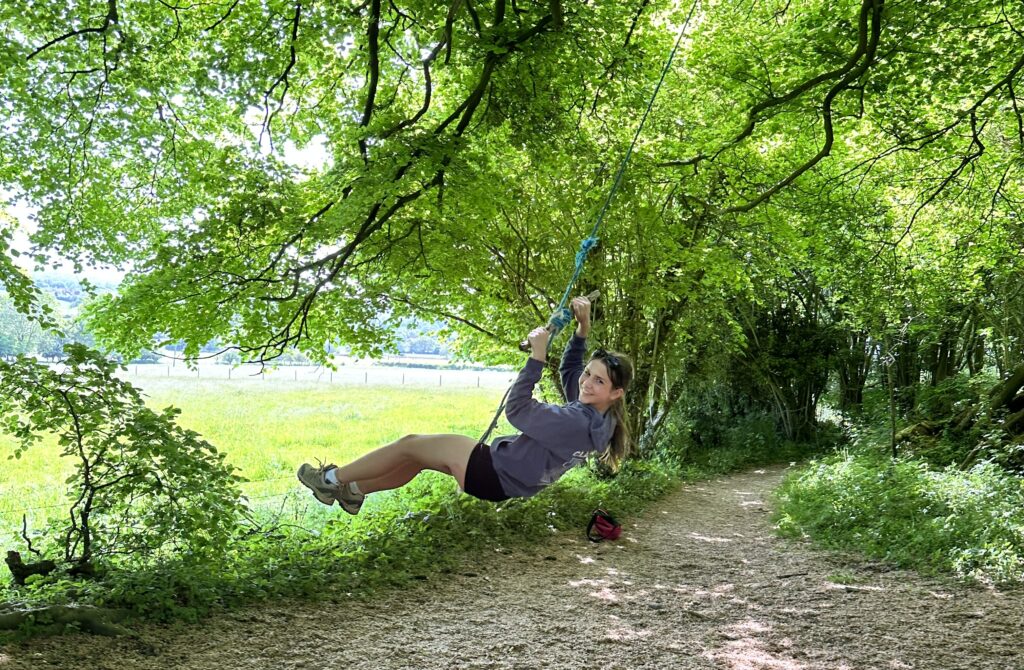
From Ropley we tramp across more fields with ewes and their lambs, across fields with crops just beginning to grow, rapeseed already high, a field awash with buttercups. We even find wild strawberries, their delicate white flowers making them easier to spot at the base of a field hedgerow. Summer must be on its way. The Littlest finds a swing as we walk through a wooded area. It is all quite perfect.
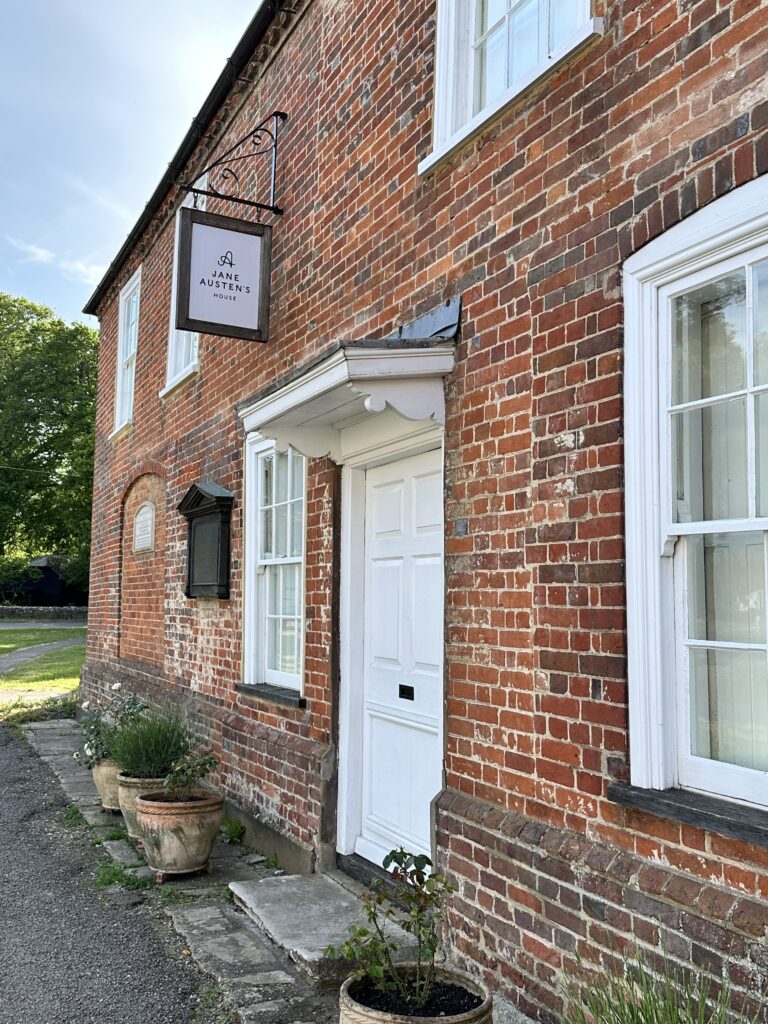
On the edge of Four Marks we pass the Garthowen Garden Centre & Treehouse Coffee Shop (established in 1957 and still run by fourth generation Garthowens) – it would be the perfect place for an ice cream but it’s a bank holiday and they’re closed. We continue walking through pretty woodland eventually finding ourselves in Charlton, Jane Austen’s home for the last 8 years of her life. In fact the house where she lived is on the Main Street running through the village and is open to visit just not at 6pm on a bank holiday. The Greyfriar pub in the village dates from the 16th Century and the tea shop opposite Jane’s house is called Cassandra’s Cup after Jane’s sister who is the first person to mention ‘afternoon tea’ in writing in 1804.
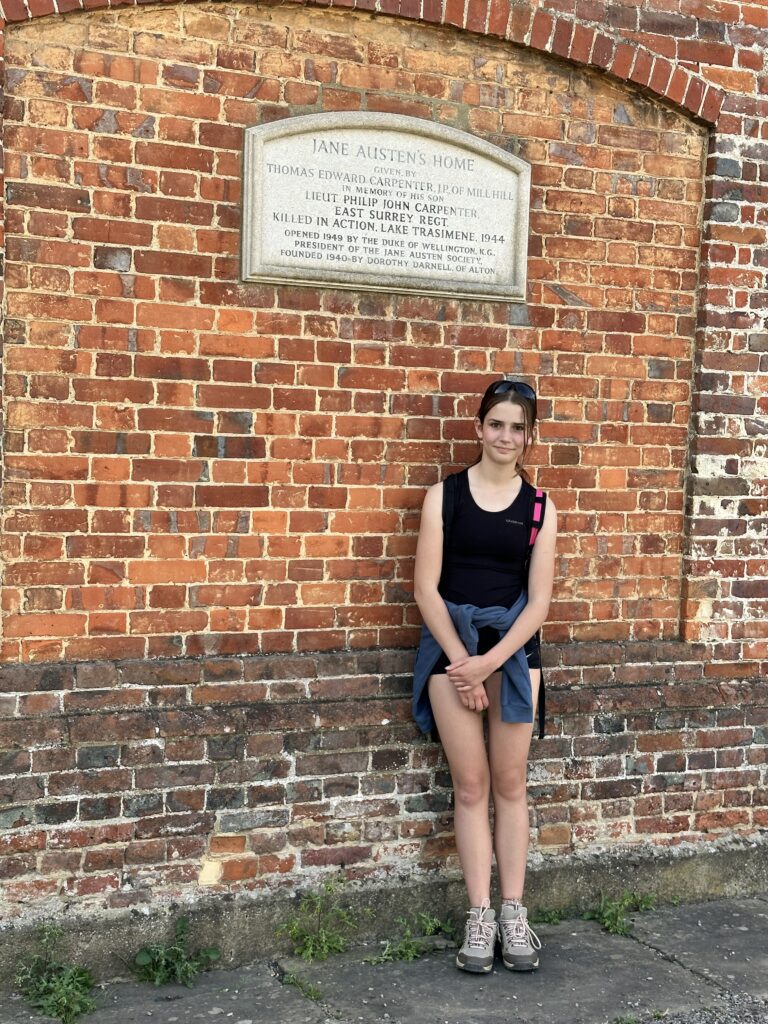
Charlton, however, is lovely and quiet at this time although we didn’t dawdle as we had a bus to catch from Alton back to Alresford. The route that we walk from Chawton is one that Jane would have taken frequently as she would get a coach to London from the Swan Hotel in Alton. During one carriage journey to London Jane read the draft of Mansfield Park to her brother Henry in 1814, two years before he became curate of Chawton.
I imagine that the road was rather more pleasant in her day than it is on the day that we walk. The one interesting bit of this tail end of the leg is the triangular grassy area edged with chestnut trees just as we get into Alton, known as The Butts, a conservation area since 1975. In the reign of Edward IV it was decreed that every Englishman should have a bow of his own height and that every town should have an archery butt, where the inhabitants were commanded to practice under penalty of one halfpenny for each neglect. A butt is an archery shooting field with earth mounds used as targets. Soon enough we find the stop in Alton; time for an ice cream while we wait for the bus. Another leg completed.